
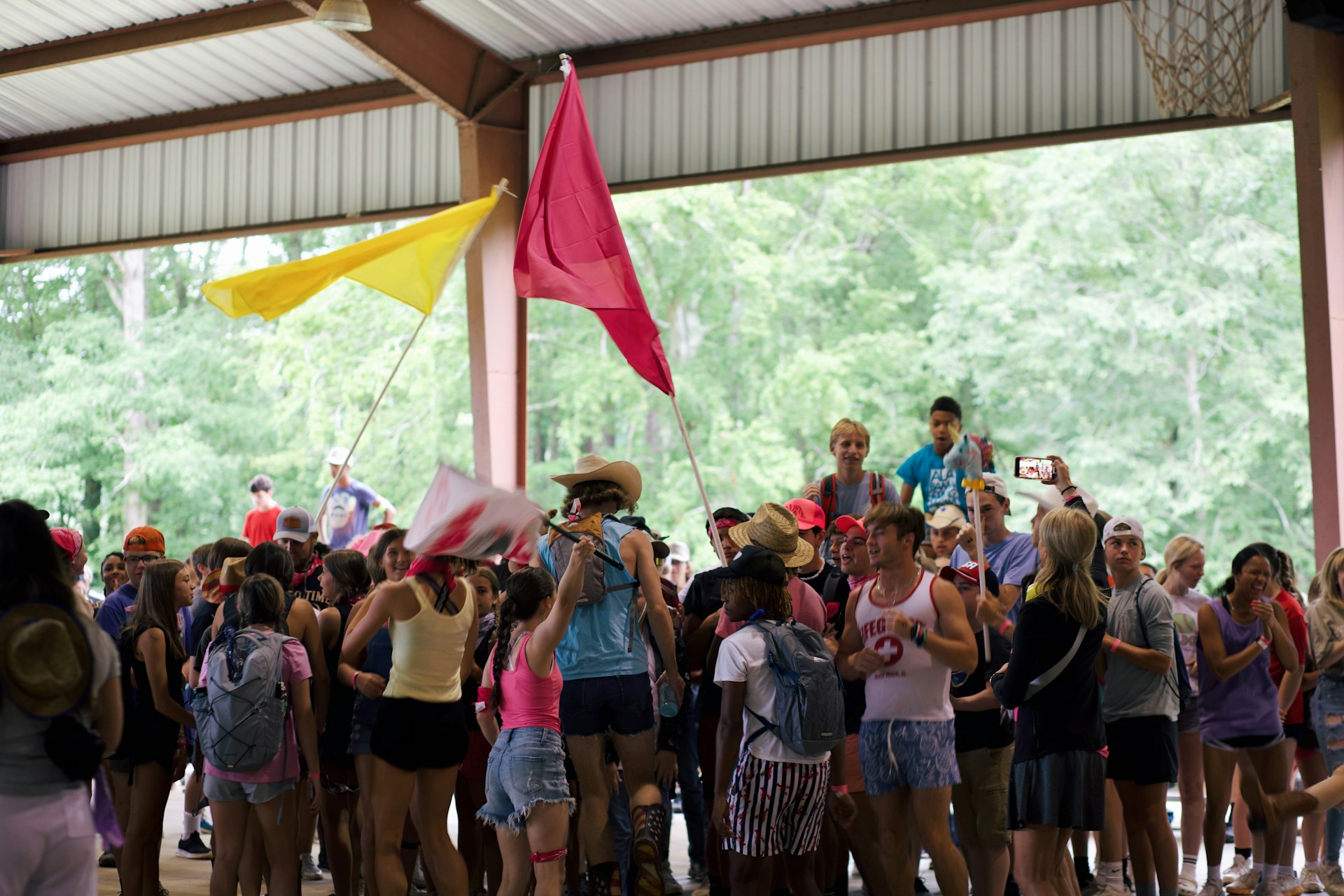
 Photo by Cora Bates on Unsplash
Kids' camps have changed. They are no longer just about keeping children busy while school is out. Today, the best camps help kids think, create, collaborate, and explore who they are in ways that feel fun, not forced.
If you are planning activities for a kids' camp this year, the challenge is familiar. How do you keep children engaged without screens taking over? How do you balance learning and fun? And how do you create experiences they will actually remember?
Here are seven creative kids' camp activities that work. Not because they are flashy, but because they connect with how kids learn and play.
1. Storytelling Through Role Play
Children love stories. Even more, they love being part of one.
Create a role-play activity where kids invent characters, settings, and simple plots. It could be a medieval village, a space mission, or a mystery to solve. Give them loose structure, not strict rules.
This activity builds confidence, communication skills, and imagination. Some children will lead. Others will quietly observe before joining in. That is okay. Participation looks different for every child.
The magic happens when they forget they are "learning" at all.
2. Hands-On Art With a Purpose
Arts and crafts work best when they feel meaningful.
Instead of random painting sessions, try themed projects. Design posters for kindness. Create flags representing imaginary countries. Build recycled sculptures that represent nature or animals.
Kids enjoy art more when there is a story behind it. They also learn problem-solving along the way. Not everything will look neat. That is part of the process.
Creativity thrives when perfection is not the goal.
3. Outdoor Team Challenges
Some lessons are best learned outside.
Set up team-based challenges like obstacle courses, scavenger hunts, or cooperative games where success depends on communication rather than speed. Avoid turning everything into a competition.
When kids work together outdoors, something shifts. They listen more. They adapt. They support each other naturally.
These moments build trust, resilience, and social skills in ways worksheets never could.
4. Simple Science Experiments
Science does not need expensive equipment or complicated explanations.
Try hands-on experiments like building mini volcanoes, making slime, or testing what floats and sinks. Let kids predict outcomes before you reveal results.
Curiosity is powerful. When children are allowed to ask "why" without pressure, learning becomes exciting instead of intimidating.
The goal is not to teach formulas. It is to spark wonder.
5. Music and Movement Sessions
Not all kids learn sitting still.
Music and movement activities help children express emotions and release energy. Try rhythm games, basic dance routines, or even creating simple instruments from everyday objects.
These sessions are especially helpful for kids who struggle with focus. Movement helps reset the brain.
Plus, laughter tends to show up quickly when music is involved.
6. Retro Game and Tech Discussions
While camps often aim to reduce screen time, talking about technology can still be valuable.
Introduce kids to the idea of how games used to look and feel. Discuss creativity in early game design, storytelling, and problem-solving without modern graphics.
You might even hear conversations about classic consoles, curiosity about older games, or questions about things like finding a PlayStation 2 for sale and why retro gaming still matters today.
This kind of discussion blends history, creativity, and critical thinking without needing screens at all.
7. Reflection and Sharing Circles
This activity is often overlooked. Yet it is one of the most impactful.
At the end of the day, gather kids in a circle and ask simple questions:
What did you enjoy today?
What was challenging?
What did you learn about yourself?
No pressure to speak. No right answers.
Reflection helps children process experiences and develop emotional awareness. It also builds listening skills and empathy when they hear from others.
These quiet moments often stay with kids longer than the loud ones.
Why Creative Activities Matter More Than Ever
Children today grow up in a fast, digital world. Camps offer something different. Space to slow down. Space to try and fail safely. Space to be curious.
Creative activities help kids build skills they will use for life. Communication. Confidence. Collaboration. Problem-solving.
They also help children feel seen. And that matters more than any packed schedule.
A Thought to Leave With
The best kids' camps are not remembered for perfect planning. They are remembered for how they made kids feel.
Seen. Capable. Excited to come back tomorrow.
If you design activities with that goal in mind, the learning will happen naturally. The laughter will follow. And the memories will last long after camp ends.
Sometimes, the most powerful moments come from the simplest ideas.

